

Doctors Urge Families to Recognize Early Warning Signs of Stroke in Elderly Patients Before It Is Too Late

Dr. Mohana Rao Patibandla highlights the importance of early stroke recognition, advanced stroke treatments, and comprehensive stroke care, including thrombolysis (tPA) and mechanical thrombectomy, at Dr. Rao's Hospital – International Institute of Neuros
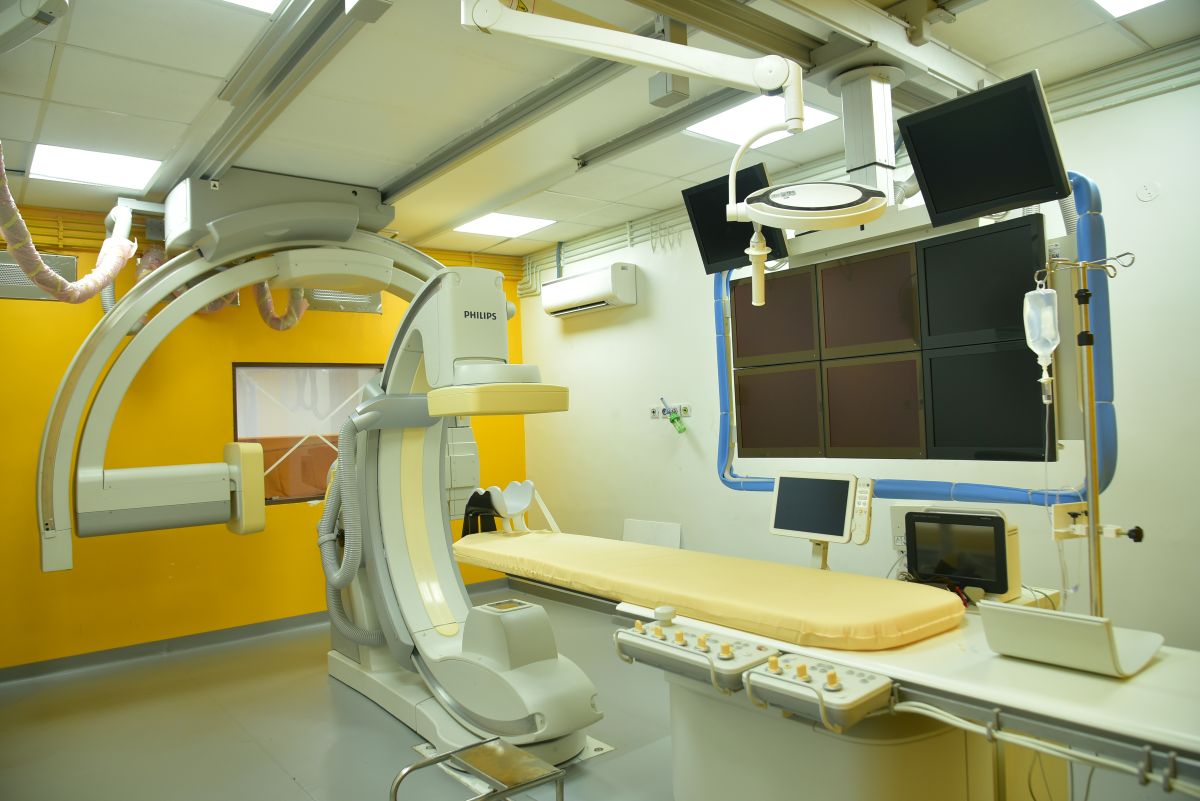
The advanced biplane cath lab at Dr. Rao's Hospital, designed for precision neurovascular procedures and minimally invasive surgeries, first in Andhra Pradesh and Telangana in India.
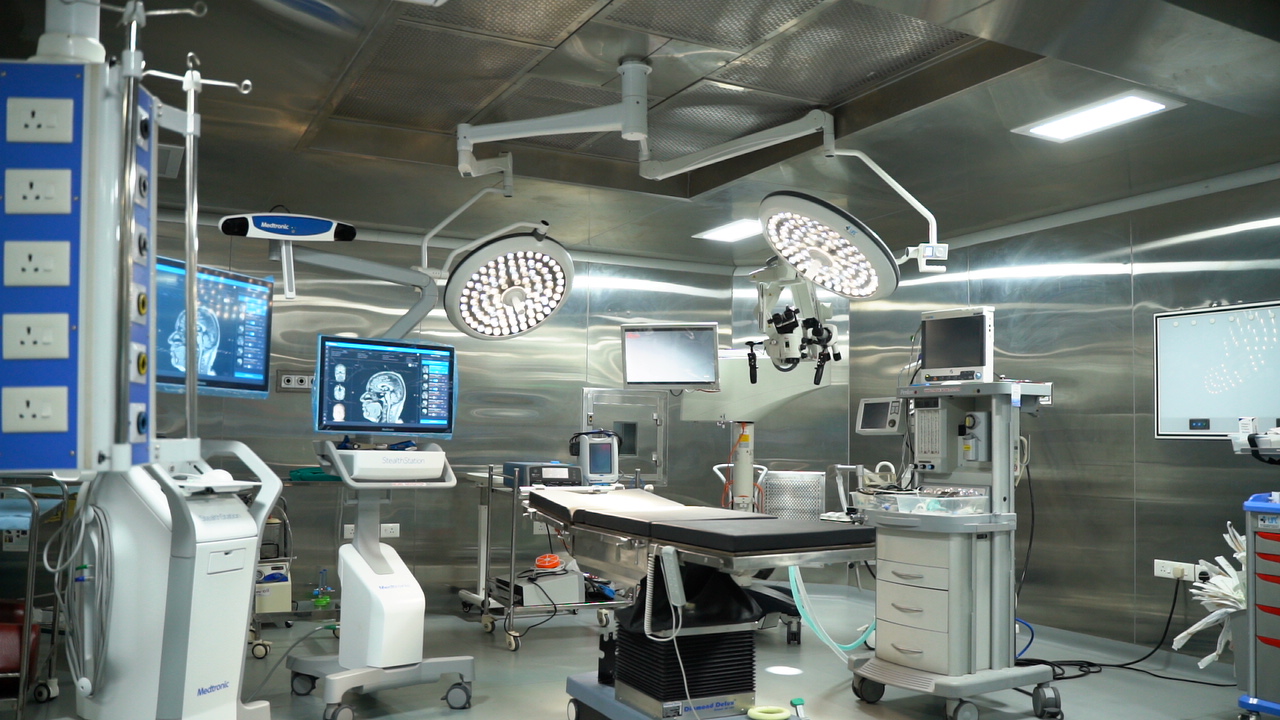
The high-tech neurosurgery operating room at Dr. Rao's Hospital, Guntur featuring advanced imaging and navigation systems for precise brain and spine surgeries.
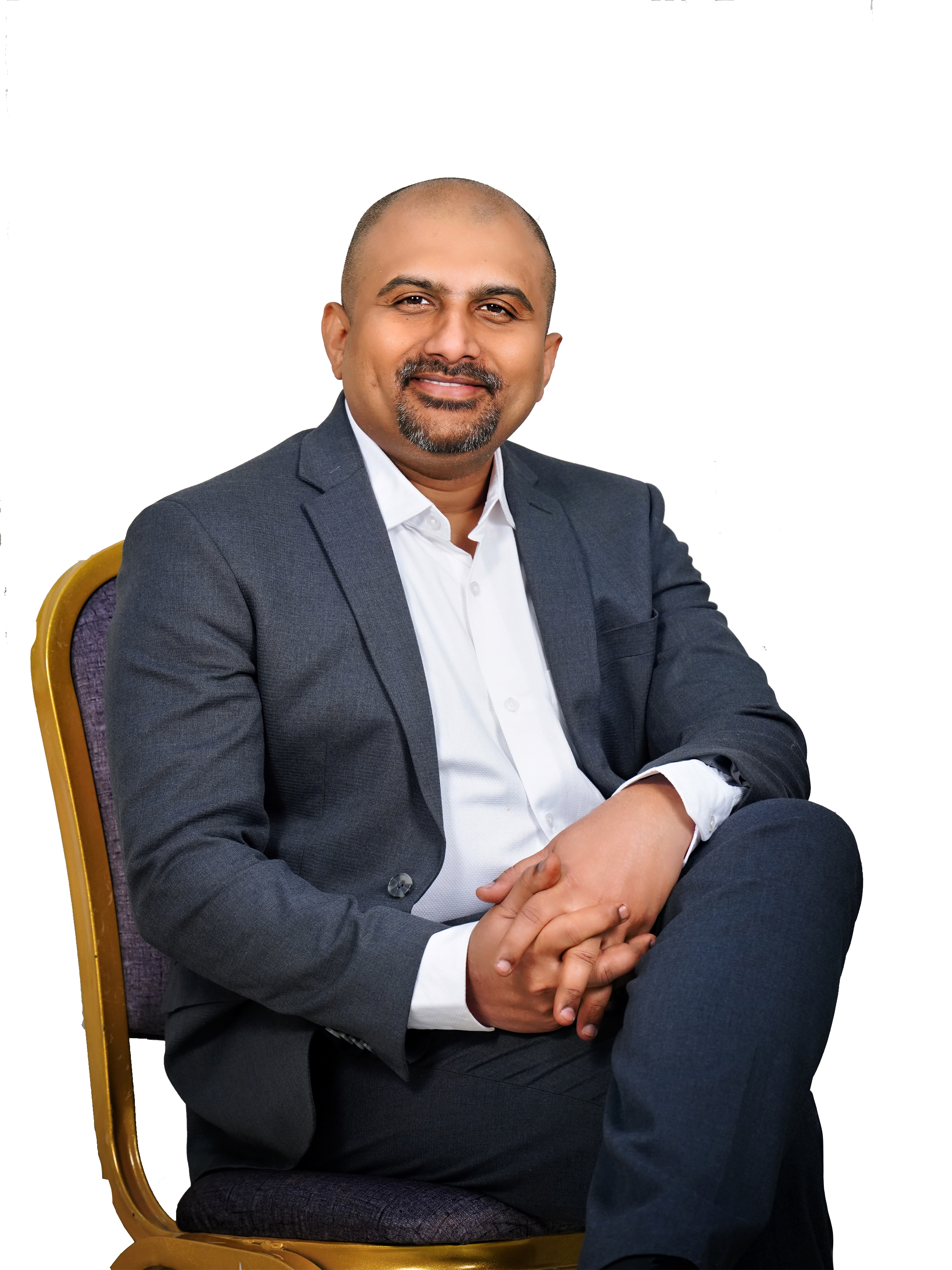
Dr Rao the best Spine surgeon In India and Guntur

Dr. Mohana Rao Patibandla featured in The Enterprise World’s 2025 cover story for transforming neurosurgery and neuroscience in India.
Recognizing stroke symptoms early and reaching a Comprehensive Stroke Center quickly can preserve brain function, reduce disability, and save lives.
Stroke specialists emphasize that recognizing symptoms early and reaching a Comprehensive Stroke Center within the treatment window can save brain function, reduce disability, and save lives.
GUNTUR, Andhra Pradesh, India — Stroke continues to be one of the leading causes of death and long-term disability worldwide. Despite remarkable advances in emergency stroke treatment, many patients still arrive too late for life-saving therapies because early warning signs are mistaken for normal aging or ignored altogether. Neurosurgeons and stroke specialists are urging families to treat every suspected stroke as a medical emergency, emphasizing that "time is brain."
Dr. Mohana Rao Patibandla, Founder and Chief Neurosurgeon at Dr. Rao's Hospital – International Institute of Neurosciences (IIN), says rapid recognition and immediate transport to a Comprehensive Stroke Center can dramatically improve neurological recovery.
"Every minute during an untreated ischemic stroke, nearly two million brain cells may be lost. Early diagnosis, rapid brain imaging, and timely intervention by an experienced multidisciplinary stroke team provide the best opportunity to preserve brain function and reduce lifelong disability."
Recognizing the Early Warning Signs of Stroke
Medical experts recommend using the internationally recognized BE FAST approach:
B – Balance: Sudden loss of balance or coordination
E – Eyes: Sudden vision loss or double vision
F – Face: Facial drooping or asymmetry
A – Arms: Weakness or numbness affecting one side of the body
S – Speech: Slurred speech, difficulty speaking, or inability to understand language
T – Time: Call emergency medical services immediately and proceed to a Comprehensive Stroke Center.
Additional symptoms may include sudden confusion, severe headache without an obvious cause, difficulty walking, swallowing problems, or sudden loss of consciousness.
Stroke in Older Adults Versus Younger Patients
Although stroke is more common in elderly individuals, specialists are seeing an increasing number of strokes among younger adults.
Stroke in Elderly Patients
Older patients often have traditional vascular risk factors, including:
High blood pressure
Diabetes mellitus
Atrial fibrillation
High cholesterol
Carotid artery disease
Heart disease
Elderly patients may also present with more severe neurological deficits and frequently have multiple medical conditions requiring coordinated multidisciplinary management.
Stroke in Young Adults
Stroke in younger patients often has different underlying causes, including:
Arterial dissection
Congenital heart disease
Patent foramen ovale (PFO)
Blood clotting disorders
Autoimmune diseases
Cerebral venous thrombosis
Drug-related vascular injury
Rare genetic disorders
Dr. Rao explains that identifying the cause of stroke is essential because treatment and strategies to prevent recurrence differ significantly between younger and older patients.
"Every stroke patient deserves a comprehensive evaluation. Younger patients often require investigations beyond routine imaging, while elderly patients frequently benefit from aggressive management of vascular risk factors and rapid reperfusion therapy."
Why Immediate Evaluation Matters
Emergency evaluation includes:
Immediate neurological examination
Non-contrast CT brain
CT angiography or MR angiography
Advanced perfusion imaging when indicated
Identification of ischemic versus hemorrhagic stroke
Determination of salvageable brain tissue
Assessment for large vessel occlusion
Rapid imaging helps specialists determine whether the patient qualifies for advanced stroke treatment.
Modern Stroke Treatments Can Reverse Disability
Today's evidence-based stroke therapies have transformed outcomes when delivered within appropriate time windows.
Intravenous Thrombolysis (tPA)
Patients with eligible acute ischemic stroke may receive intravenous tissue plasminogen activator (tPA) within the recommended treatment window after symptom onset, following careful clinical and imaging evaluation. This clot-dissolving medication can restore blood flow and improve neurological recovery in appropriately selected patients.
Mechanical Thrombectomy
Patients with large vessel occlusion may benefit from mechanical thrombectomy, an advanced minimally invasive endovascular procedure performed by specially trained neurointerventional specialists.
Using sophisticated catheter-based techniques, the clot is physically removed from blocked brain arteries, restoring blood circulation and significantly improving functional outcomes in carefully selected patients.
Growing evidence demonstrates that mechanical thrombectomy has become the standard of care for eligible patients with large vessel ischemic stroke.
Why a Comprehensive Stroke Center Matters
Not every hospital can provide advanced stroke care.
A Comprehensive Stroke Center offers:
24/7 emergency stroke response
Advanced CT, MRI, and vascular imaging
Stroke neurologists and neurosurgeons
Neurocritical care
Mechanical thrombectomy capability
Emergency neurosurgery for hemorrhagic stroke
Endovascular cerebrovascular specialists
Rehabilitation services
Multidisciplinary stroke care under one roof
Receiving treatment at a comprehensive stroke center can reduce disability and improve long-term functional outcomes by ensuring rapid diagnosis and access to specialized therapies.
The Importance of an Interventional Stroke Specialist
Mechanical thrombectomy is a highly specialized procedure requiring advanced expertise in cerebrovascular and endovascular neurosurgery.
Dr. Mohana Rao Patibandla emphasizes that outcomes depend not only on early arrival but also on timely evaluation by experienced stroke teams capable of determining the most appropriate treatment strategy for each individual patient.
"Successful stroke treatment depends on rapid recognition, advanced imaging, appropriate patient selection, and timely intervention. Comprehensive stroke teams—including vascular neurologists, neurointerventional specialists, neurosurgeons, neuroanesthesiologists, and neurocritical care experts—work together to achieve the best possible outcomes for patients."
Stroke Prevention Saves Lives
Experts recommend reducing stroke risk through:
Regular blood pressure monitoring
Diabetes control
Cholesterol management
Smoking cessation
Healthy diet
Regular physical activity
Weight management
Treatment of atrial fibrillation
Routine medical check-ups
Families should also recognize that Transient Ischemic Attacks (TIAs) or "mini-strokes" are important warning signs that require urgent neurological evaluation because they may precede a major stroke.
About Dr. Mohana Rao Patibandla
Dr. Mohana Rao Patibandla is the Founder and Chief Neurosurgeon of Dr. Rao's Hospital – International Institute of Neurosciences, Guntur, India. Internationally trained in India and the United States, he specializes in cerebrovascular neurosurgery, minimally invasive brain and spine surgery, endovascular neurosurgery, neuro-oncology, pediatric neurosurgery, skull base surgery, and stereotactic radiosurgery. He is committed to advancing stroke awareness, emergency neurological care, and evidence-based treatment through clinical excellence, education, and research.
Media Contact
Dr. Rao's Hospital – International Institute of Neurosciences
12-19-67, Old Bank Road, Kothapet, Guntur, Andhra Pradesh, India
Phone: +91 9010056444
Email: info@drraoshospitals.com
Website: https://drraoshospitals.com
SEO & AEO Keywords: stroke symptoms, elderly stroke awareness, emergency stroke care, brain attack symptoms, stroke treatment India, comprehensive stroke center, mechanical thrombectomy, tPA treatment, ischemic stroke, hemorrhagic stroke, stroke prevention India, large vessel occlusion, neurointerventional specialist, cerebrovascular neurosurgeon, senior health, FAST stroke symptoms, BE FAST stroke awareness.
Mohana Rao Patibandla
Patibandla Narayana Swamy Neurosciences LLP
+918008439393 ext.
info@drraoshospitals.com
Visit us on social media:
LinkedIn
Instagram
Facebook
YouTube
X
Dr. Rao explaing the stroke - Ischemic and Infarct - Modern methods of treatment
Legal Disclaimer:
EIN Presswire provides this news content "as is" without warranty of any kind. We do not accept any responsibility or liability for the accuracy, content, images, videos, licenses, completeness, legality, or reliability of the information contained in this article. If you have any complaints or copyright issues related to this article, kindly contact the author above.
